


The PRANA team were welcomed into a creative collaboration space at the Ganga conference center with a video capturing shared memories from their field trip.

Participants were introduced to the workshop facilitation team comprising of Sundar, Santosh, Ajay, Sunny, Rup and Rahul.
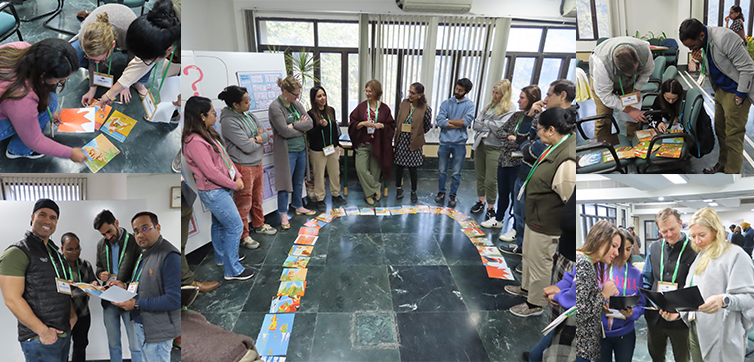
Amanda and Priya invited participants to immerse themselves in a creative activity about perspectives, based on the well-known book Zoom by the Hungarian illustrator, István Bányai.
These takeaways were linked to the various expectations that sponsors and participants had from these three days, spanning high level purpose and objectives to a recalibrated strategy and detailed decisions required to guide the PRANA roadmap ahead.
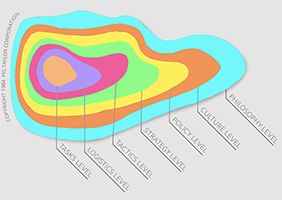
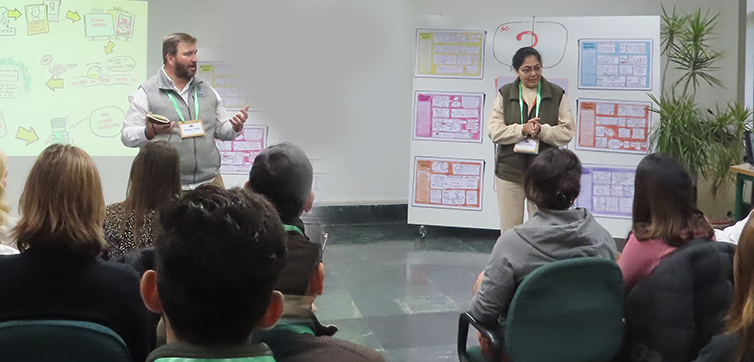
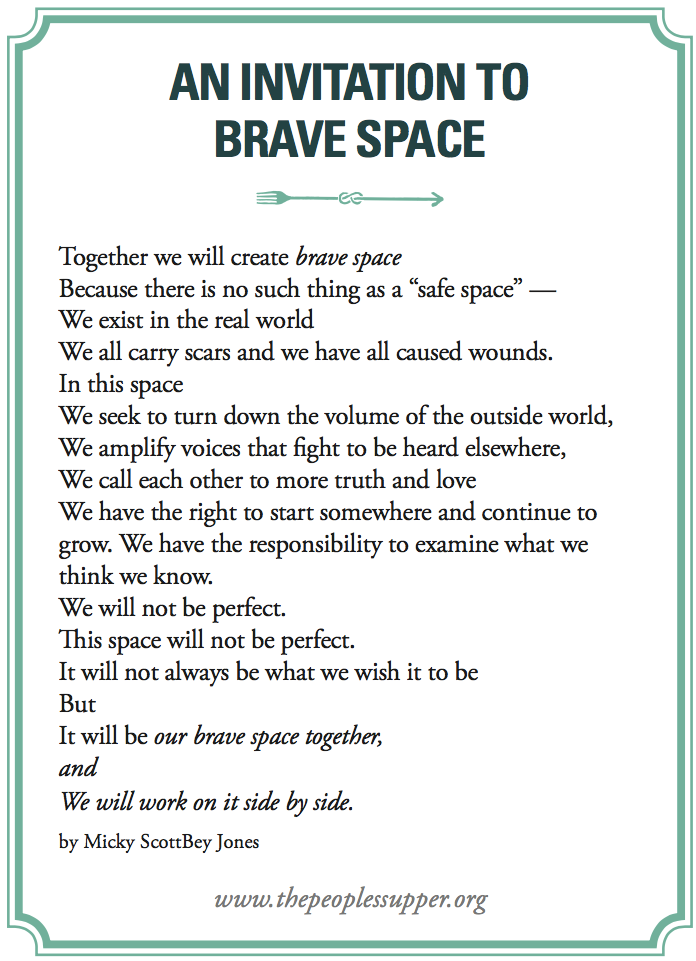
Michael Doane, Global Managing Director, Food and Freshwater Systems, set context for the workshop purpose and objectives. Reading from the poem Brave Space by Micky ScottBey Jones, Michael invited participants to build something new in a brave space.
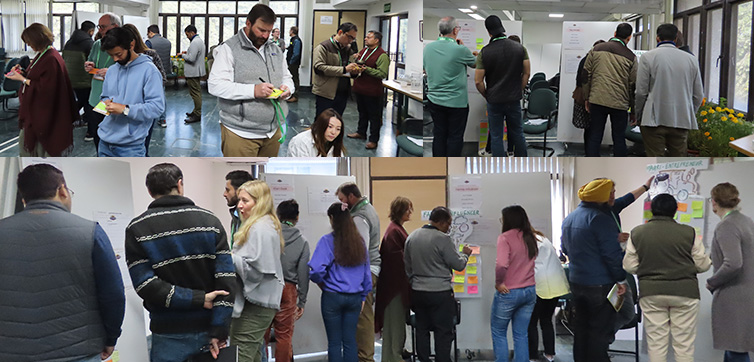
Annapurna Vancheswaran,Managing Director, TNC India shared her expectations from participants and the workshop process, while welcoming participants to TERI Gram Retreat’s natural environment.
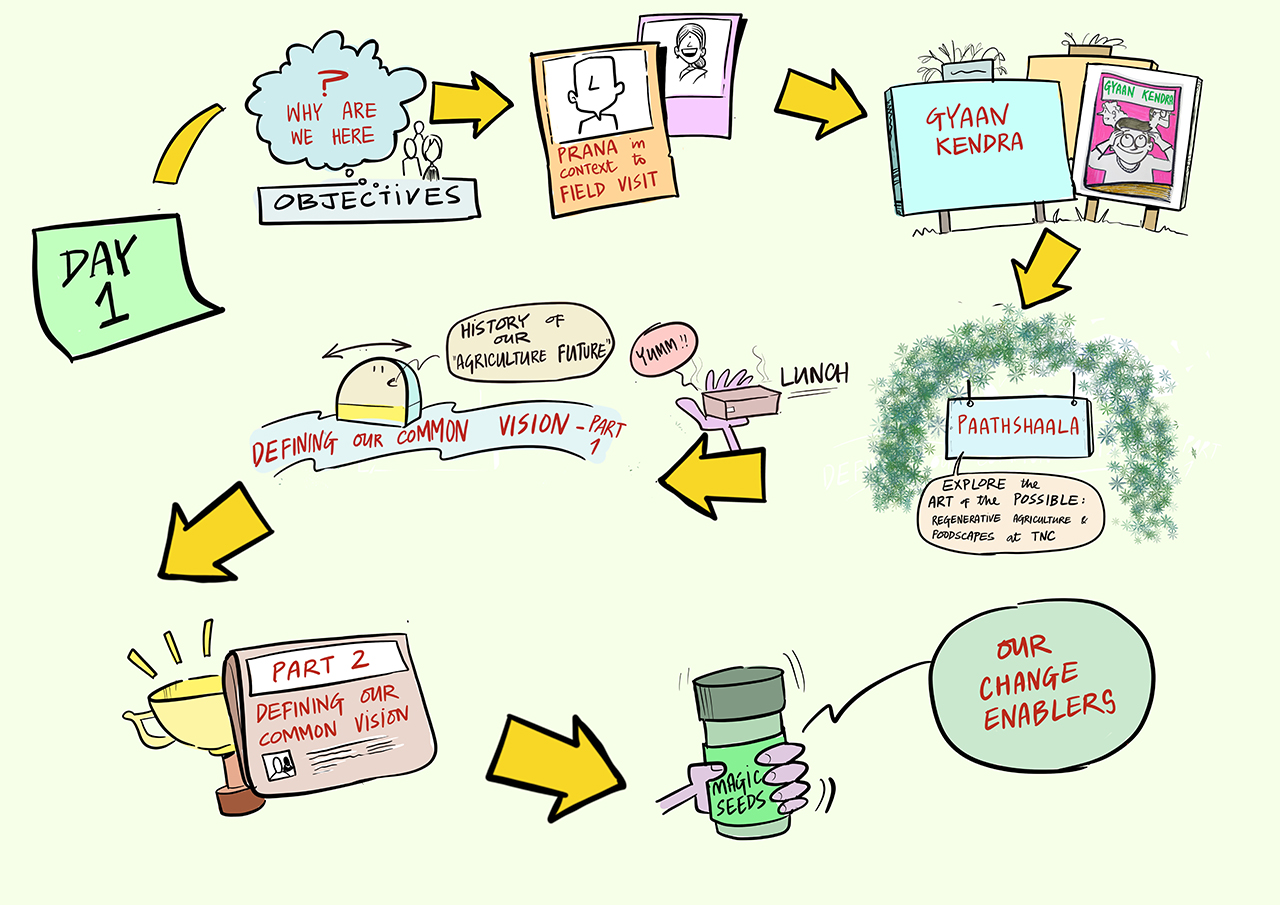
Click here to view Day 1 Scribe
Participants were invited by Rahul to build a set of flocking rules that they would follow for themselves and engage with each other.
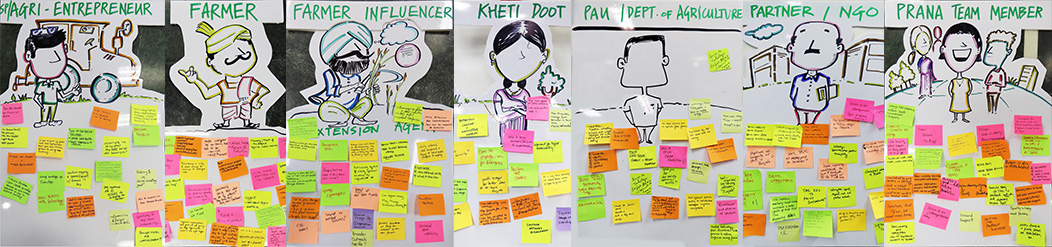
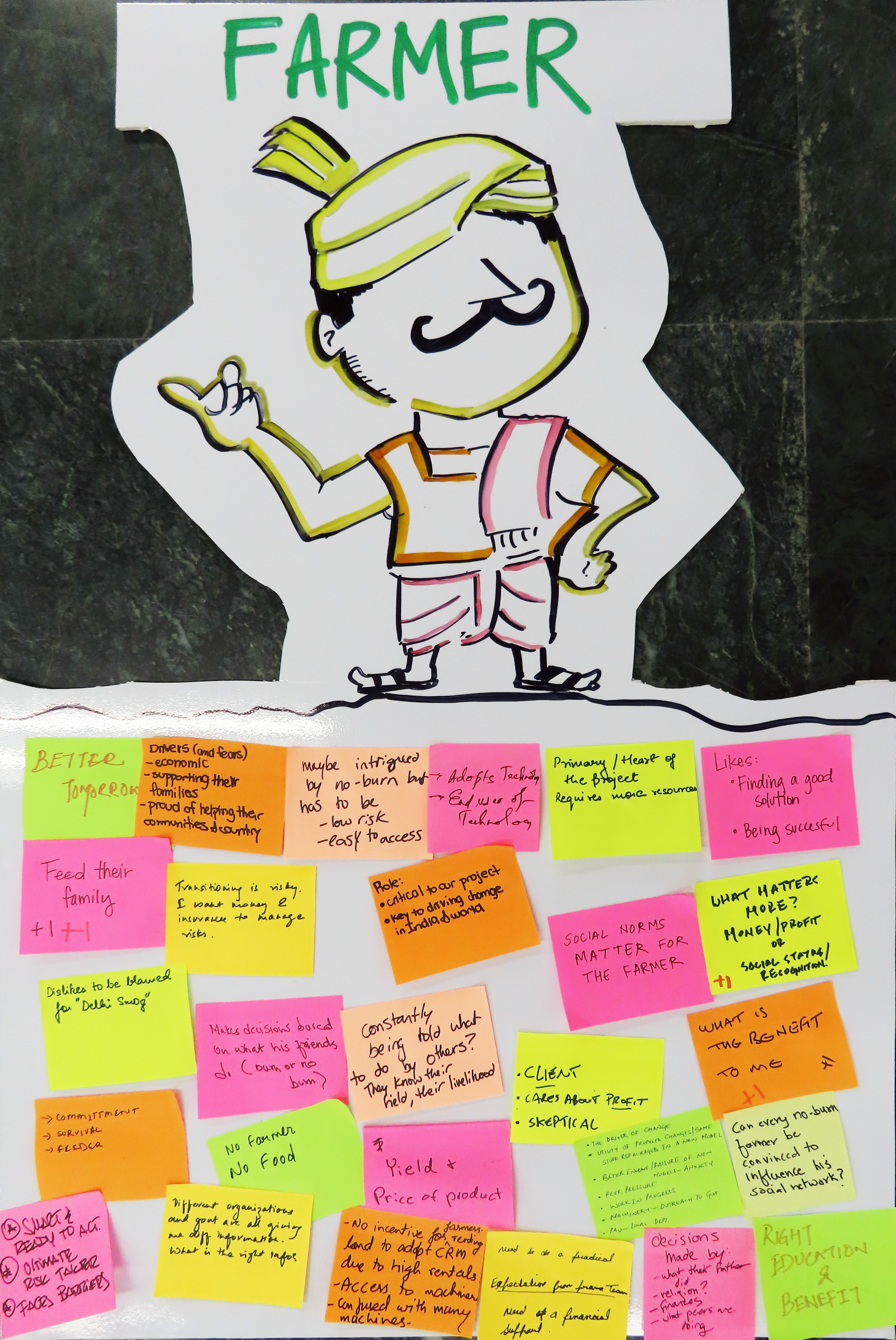
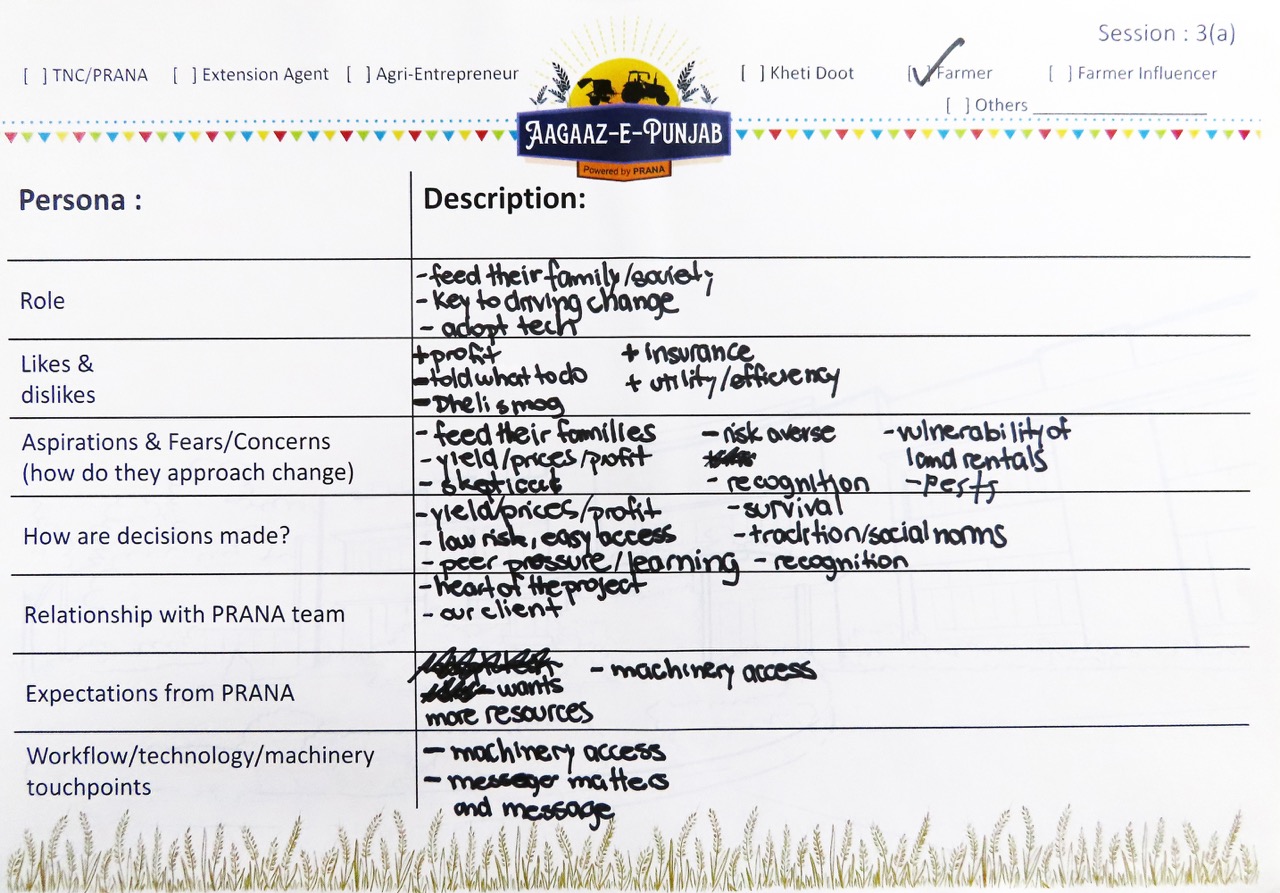
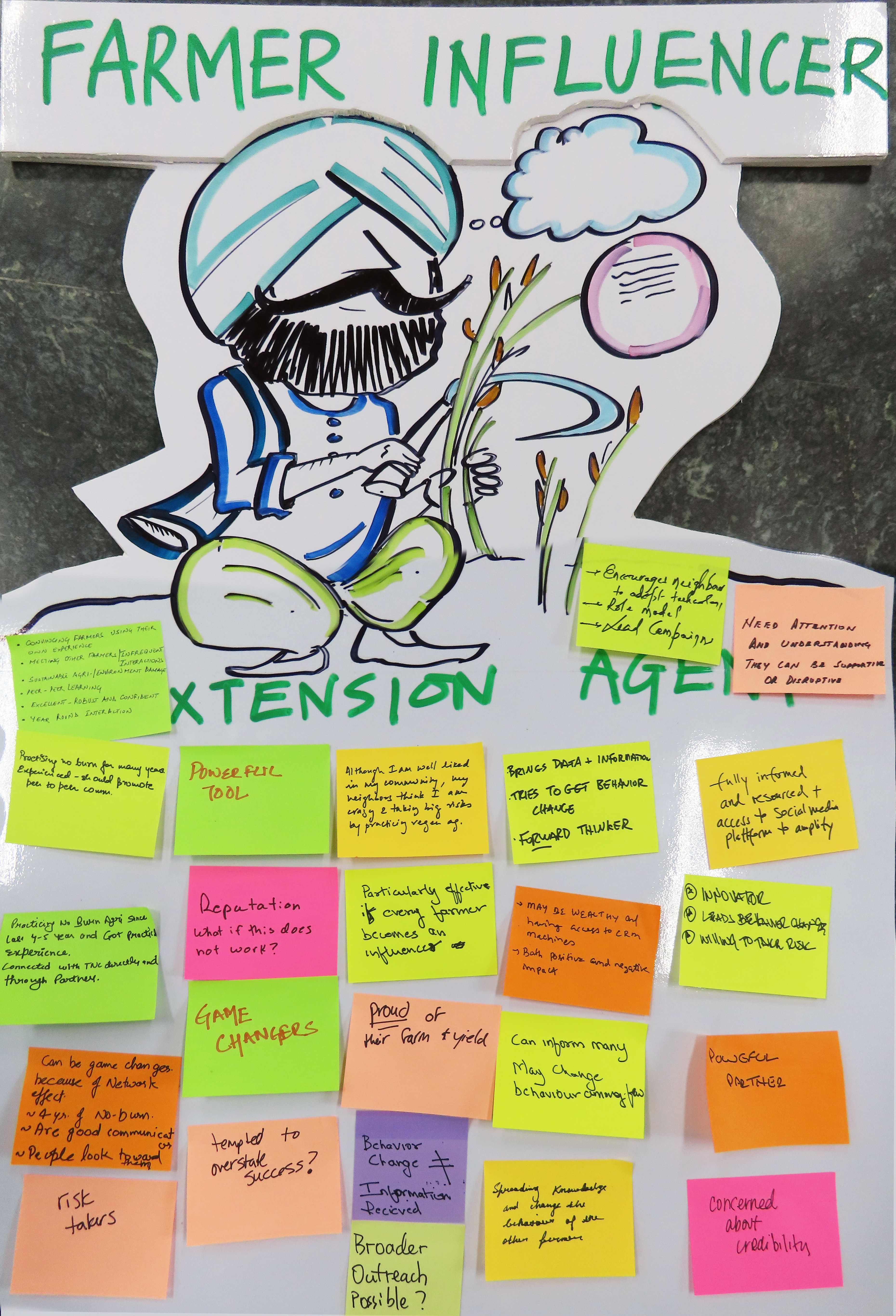
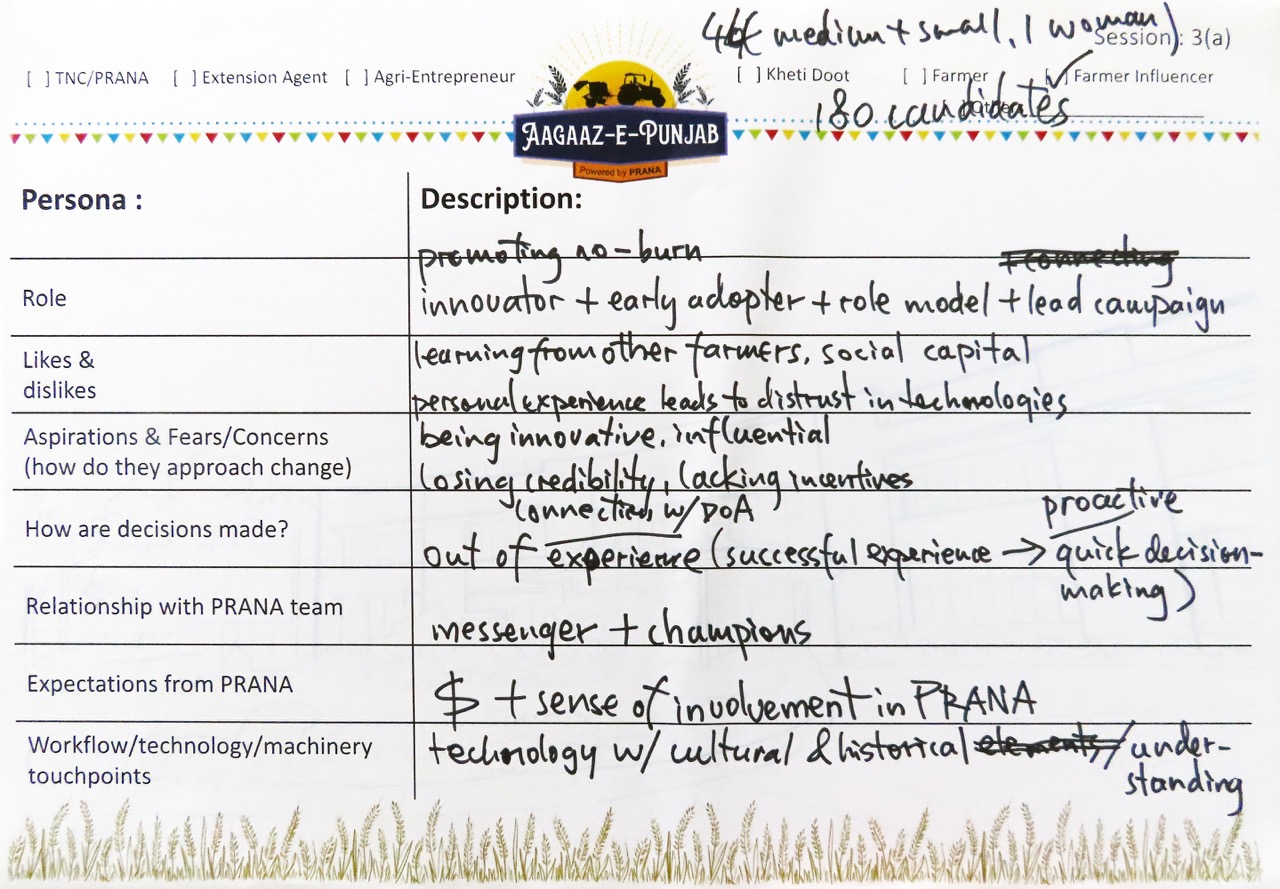
The farmer and their families are the heart of the PRANA ecosystem, surrounded by all other key stakeholders who enable ‘no-burn’ agriculture.
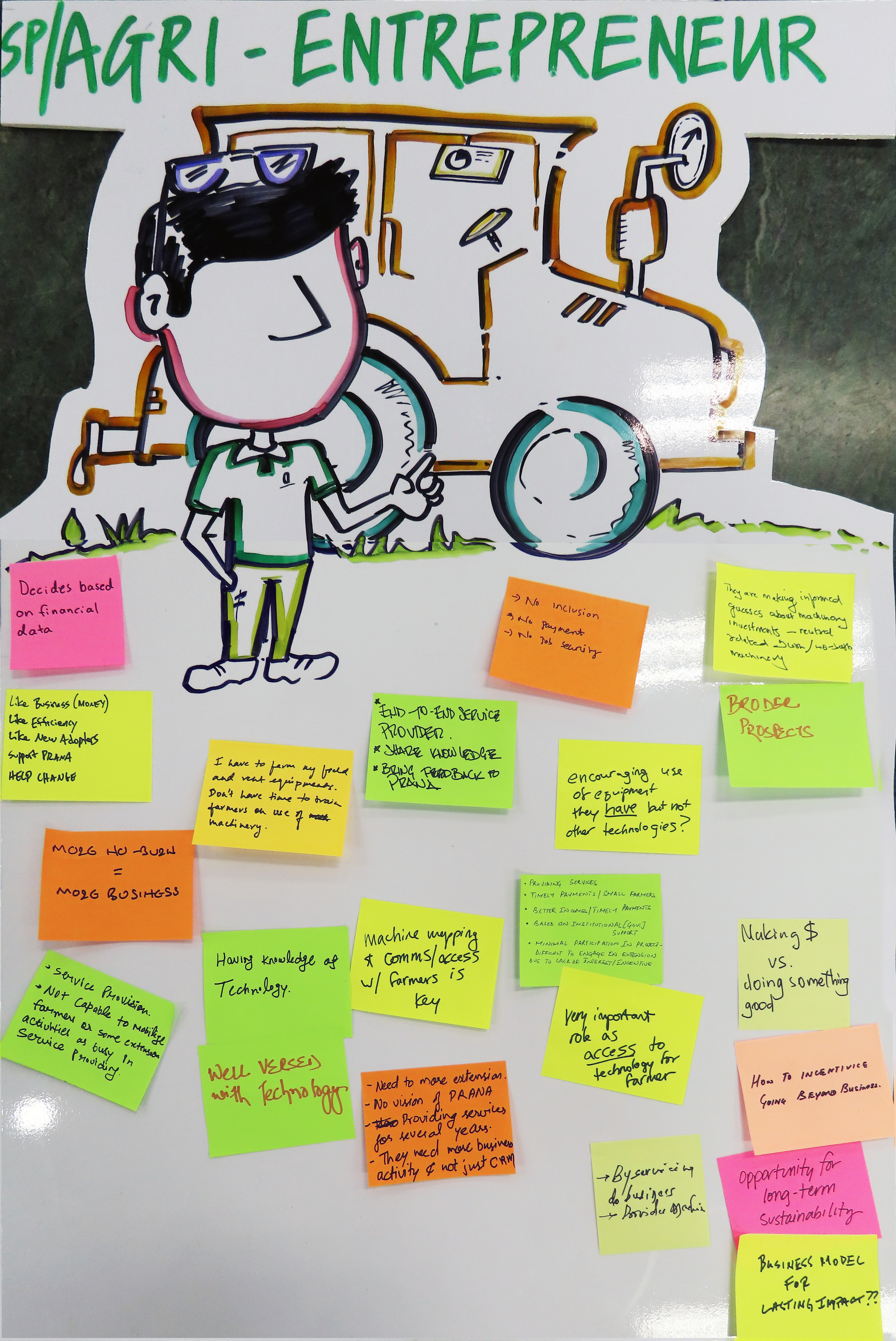
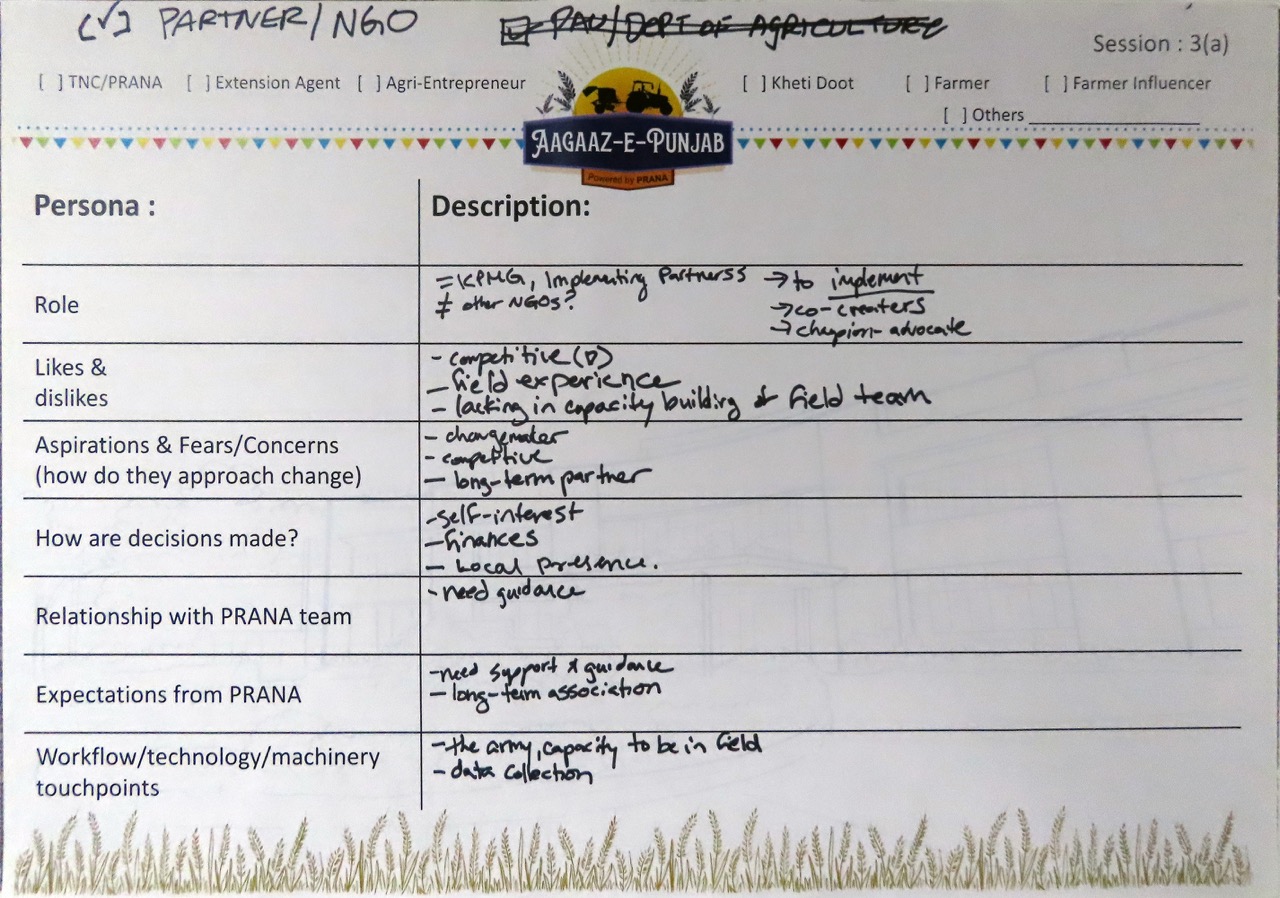
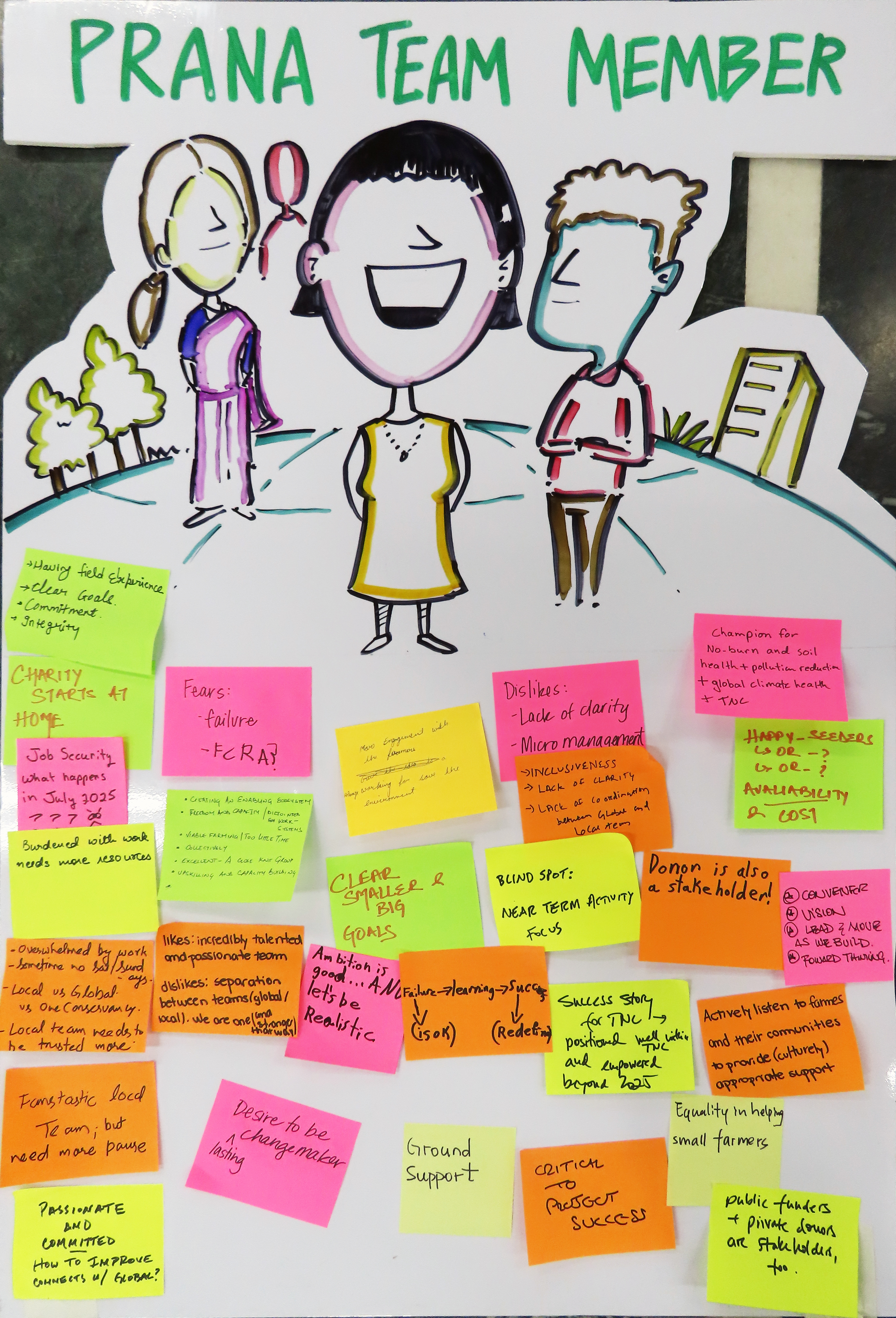
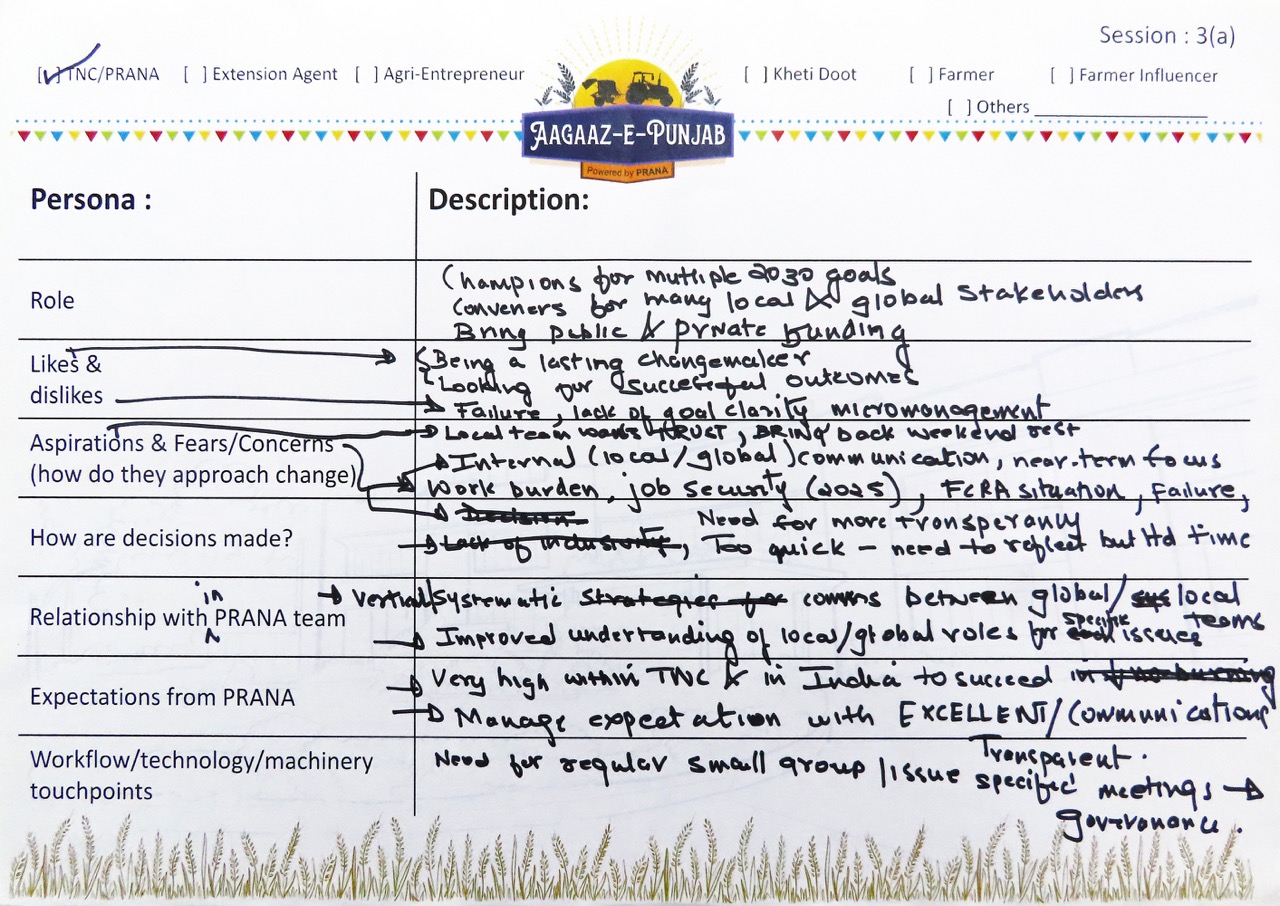
Based on the field trip, participants were invited to create a common understanding of these diverse personas by pooling their collective wisdom and experience through post-it notes. These individual notes reflected likes, dislikes, aspirations, fears, concerns, decision making process, expectations from PRANA team and relationships. Participants were then aligned to specific persona teams to synthesize collective inputs for each of the personas.
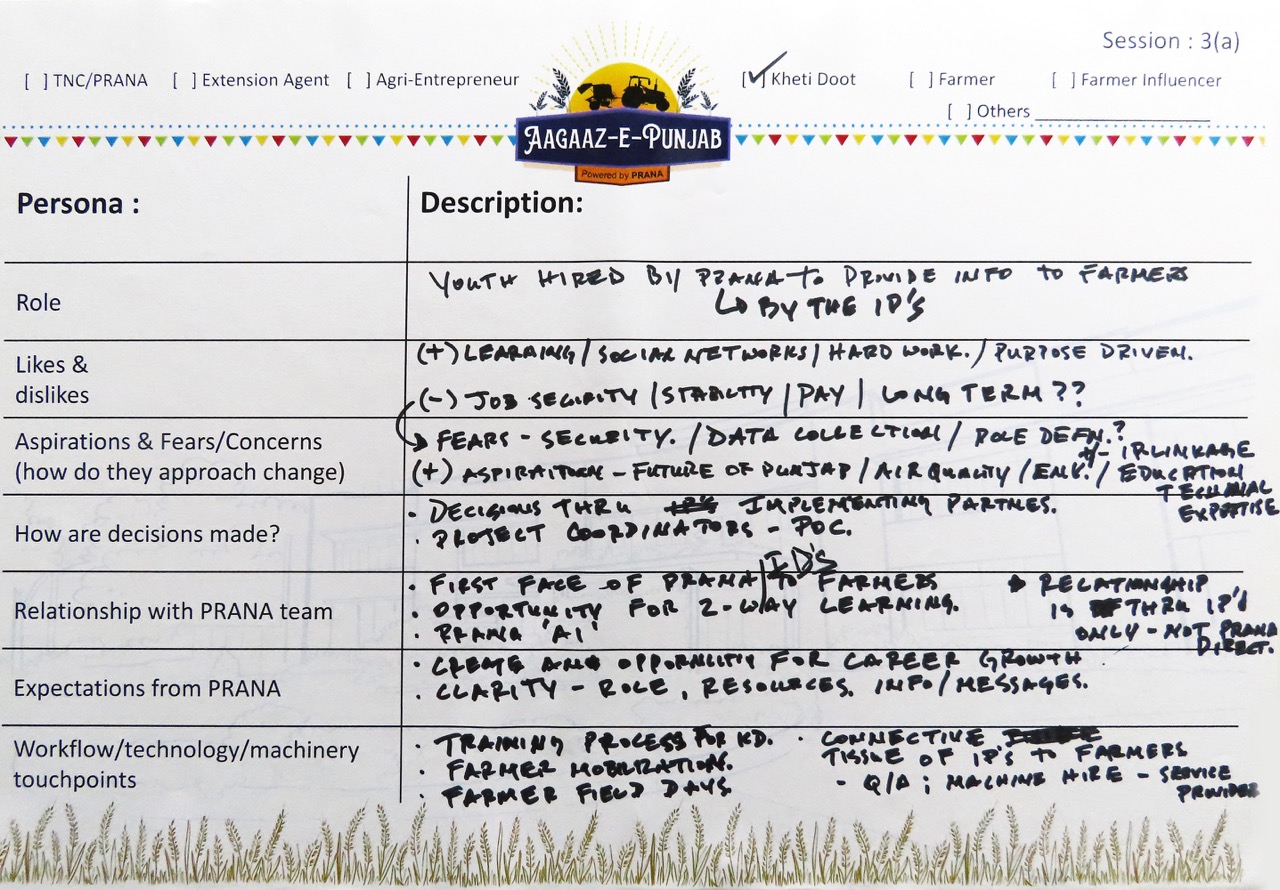
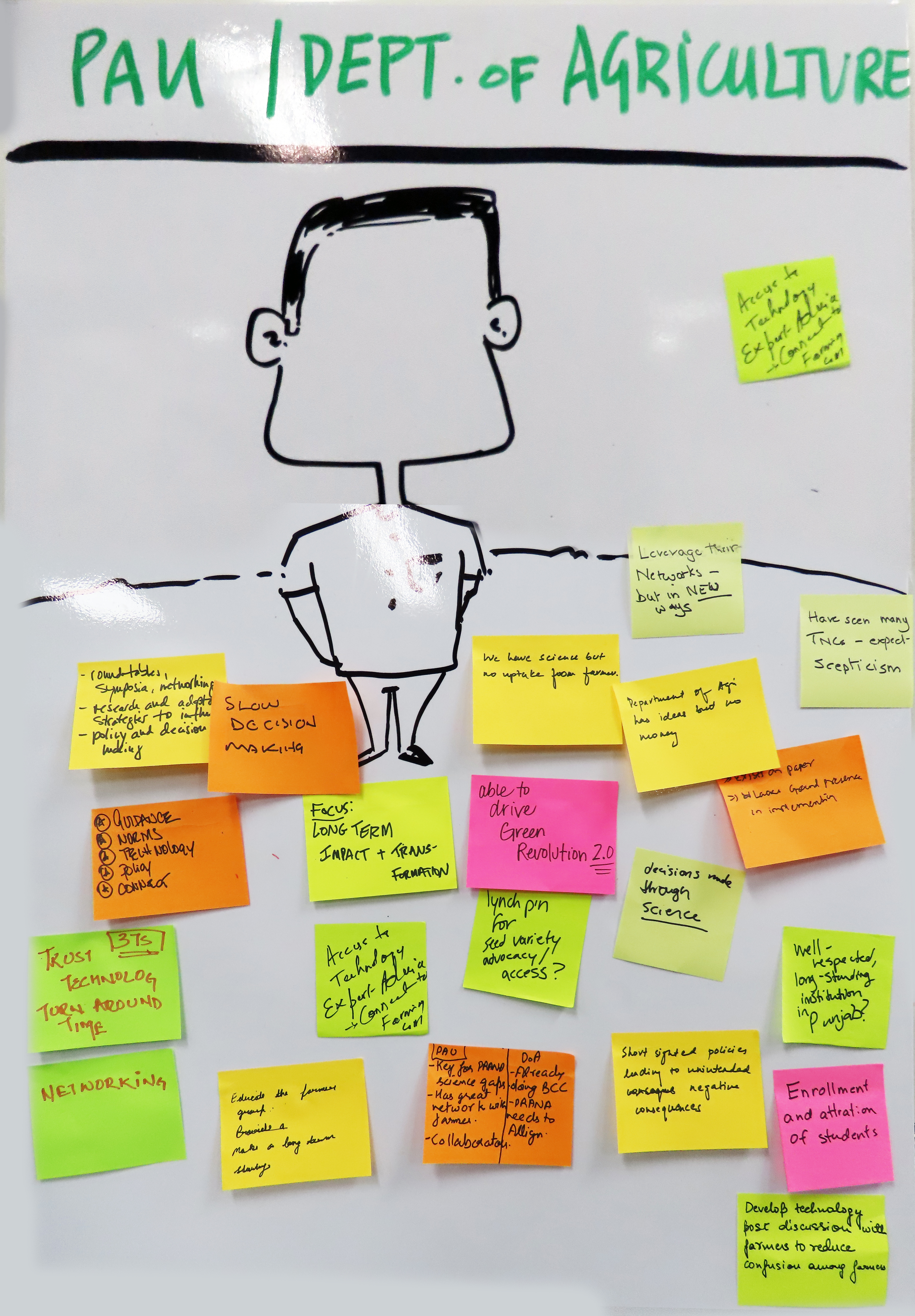
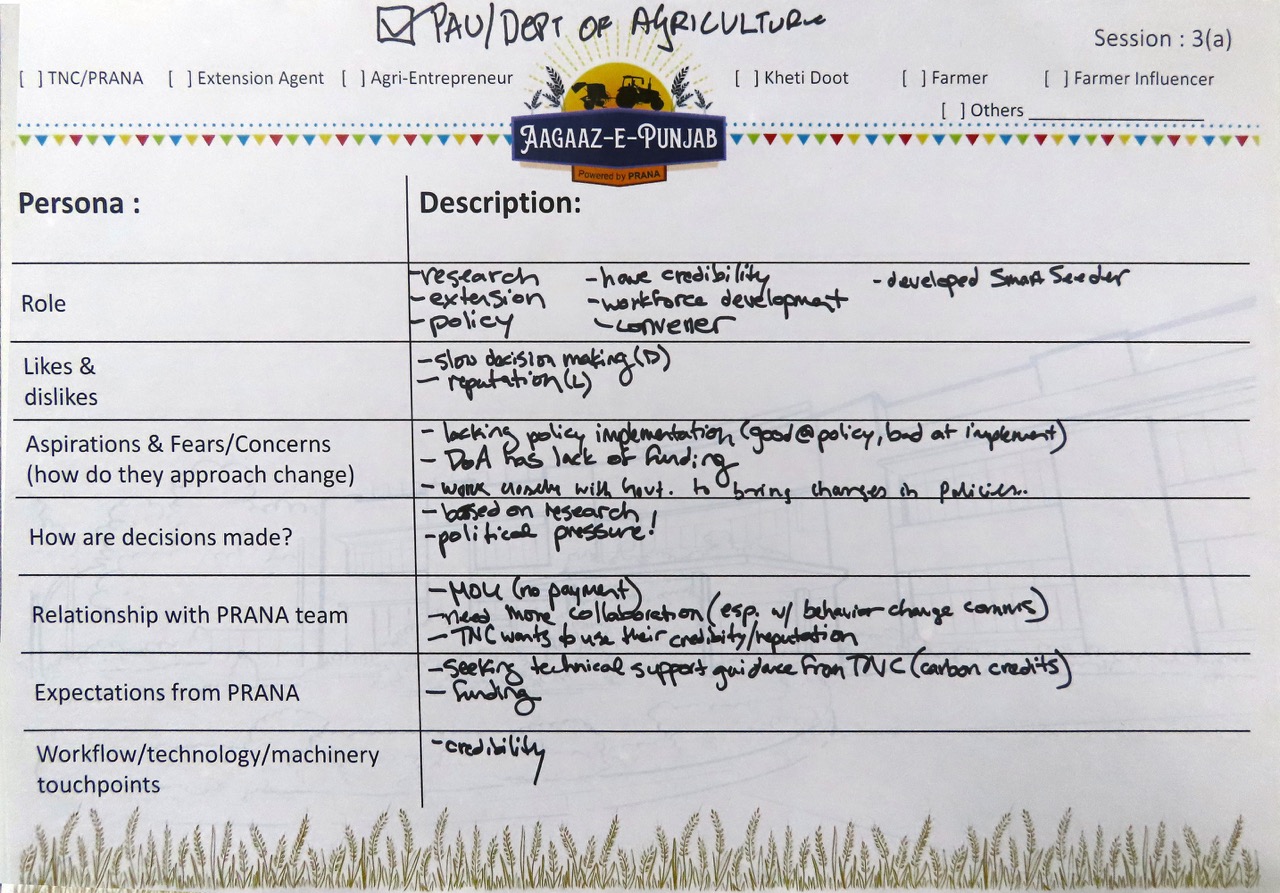
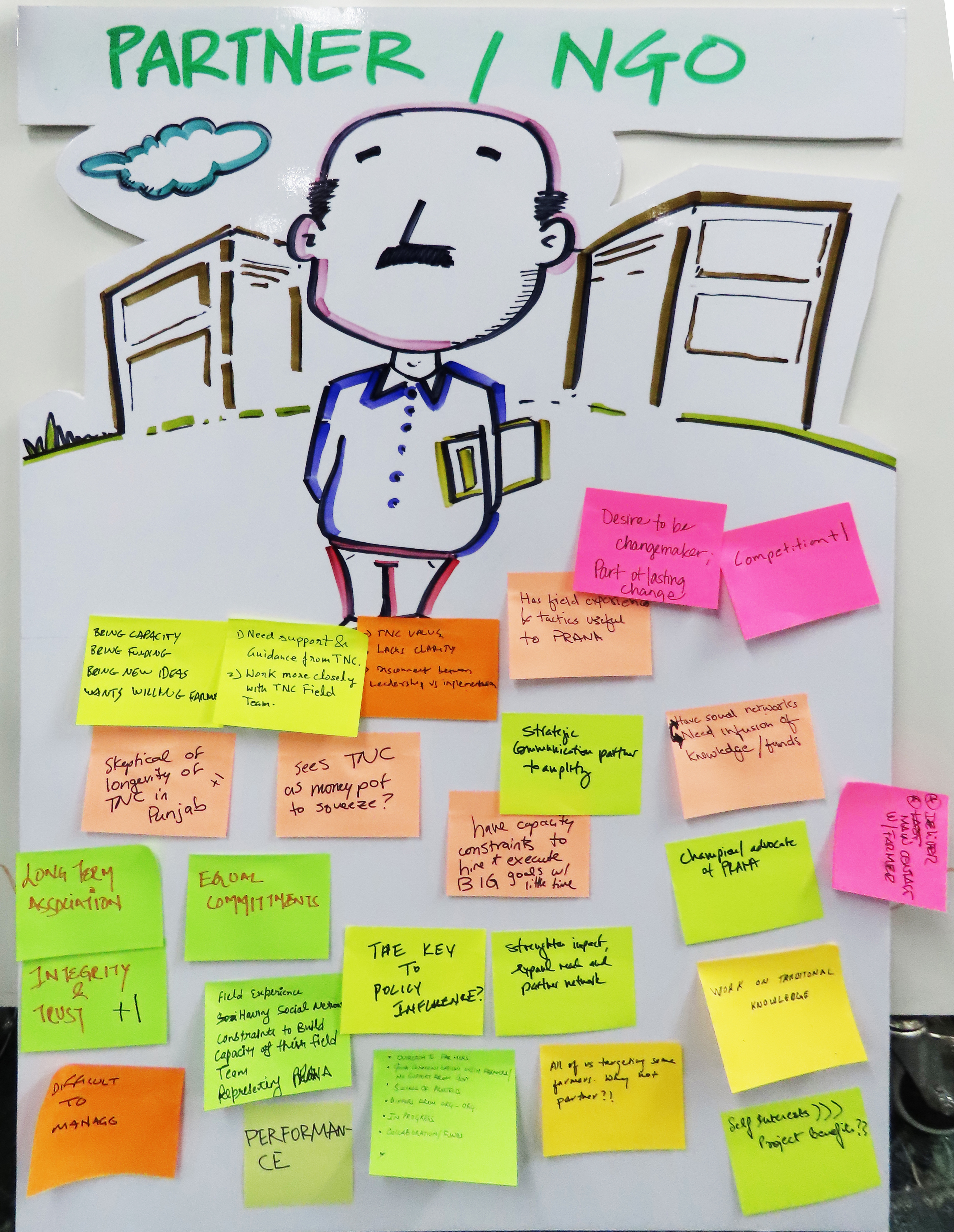
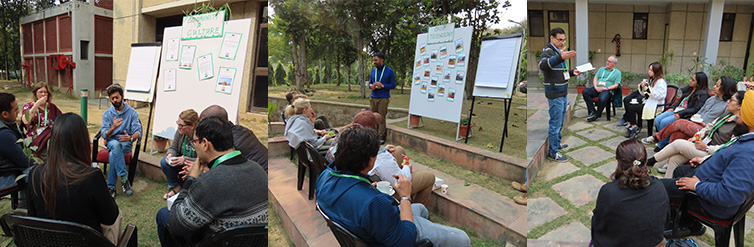
To better understand the present and future needs of the PRANA project, it is critical to building a common understanding of the evolving environment in Punjab by which personas are influenced. Three themes were chosen for ‘Gyaan Kendras’ - centers of knowledge, disseminating information on the influencing environment:
• Policy and Government (hosted by Sushil Saigal)
• Community and Culture (hosted by Fateh Guram)
• Crop Technology (hosted by Gurpreet Singh and Rajveer Singh)
Participants visited each of the Gyaan Kendras for a 20 minute familiarization of the topic, its relevance to personas and the PRANA project.
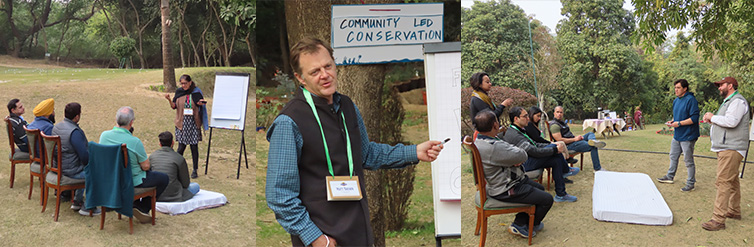
Upon completion of the Gyaan Kendra information sessions, participants were invited to attend “Pathshala” sessions on three global themes important to TNC capabilities that could be intrinsically valuable to the future of the personas and hence the PRANA project.
The three Pathshala topics included :
Each of the hosts covered issues that ailed Punjab within this theme, trends and drivers that led to significant shifts pushing for change, and influencers of such change.
Participants now have a deeper and common understanding of what capabilities reside within TNC’s global experience and expertise which can be brought to bear for more productive conversations around the ‘Art of the Probable’.
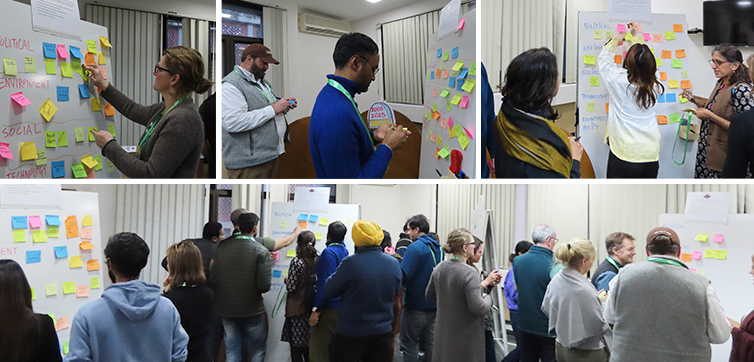
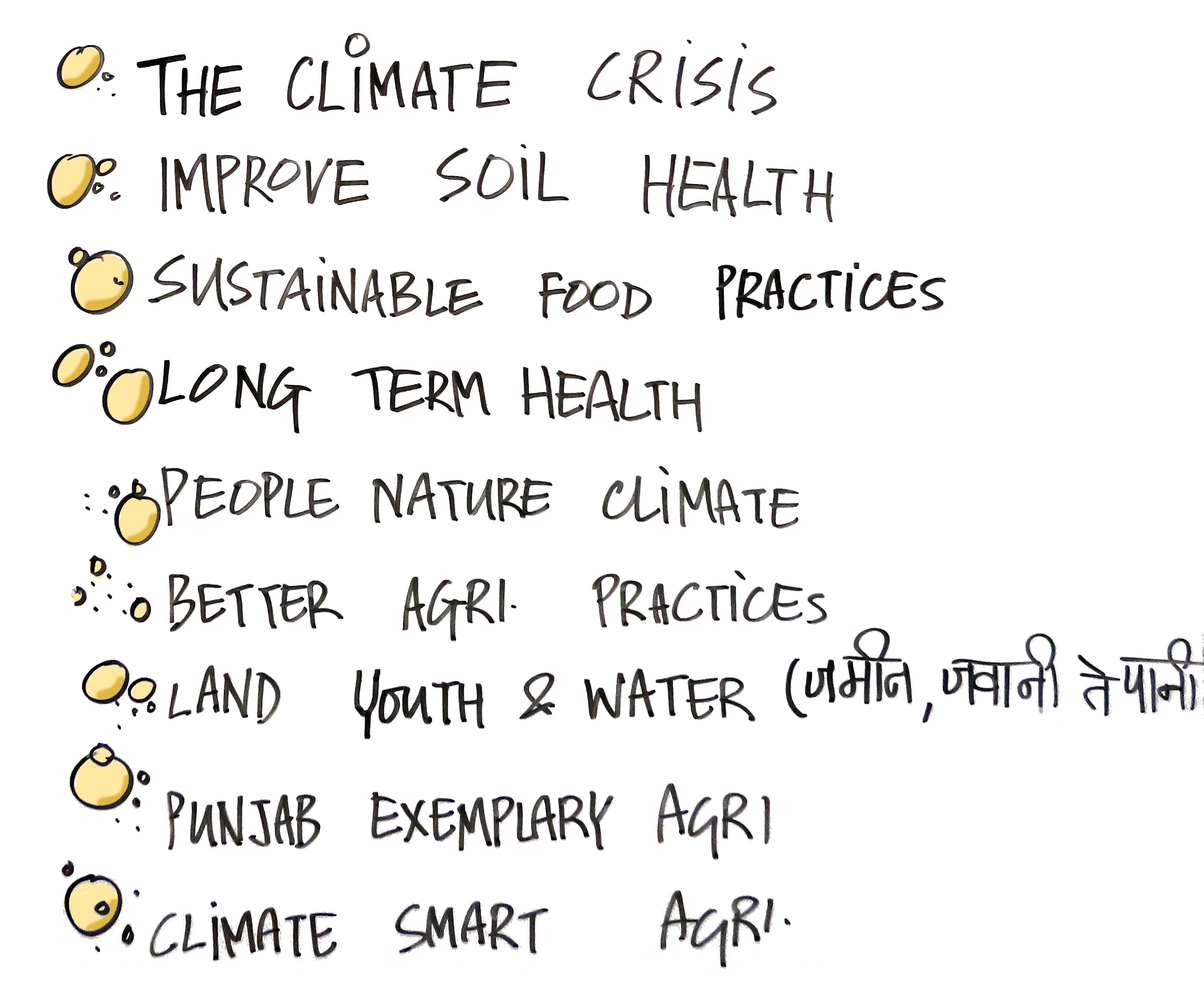
Armed with this new shot of perspectives, participants were invited to identify key themes that faced Punjab’s agriculture sector at this moment in time - beyond temporary symptomatic issues such as ‘no burn’ - to explore more systemic ones begging to be solved.
Some of the key themes that surfaced are reflected in the picture
Spanning 1947 – 2050, participants had an opportunity to sharpen their focus on how issues, trends and influencers shaped events, people and governments across a backdrop of political, environmental, social, technological and economic policy themes.
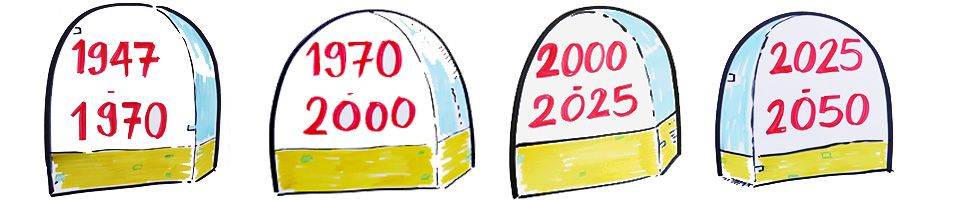

While the past began to inform the present, participants intuitively began to extrapolate these into the future to predict the shape of things to come.
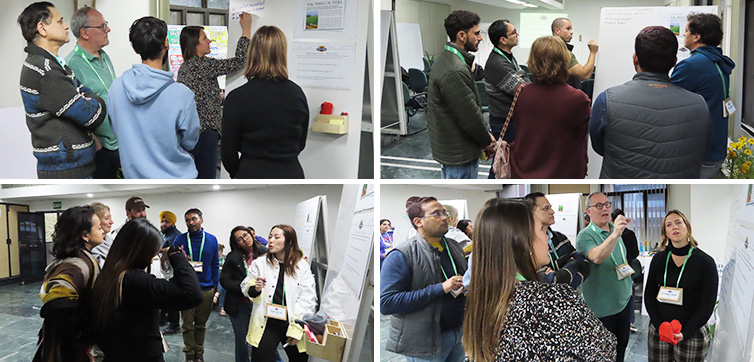
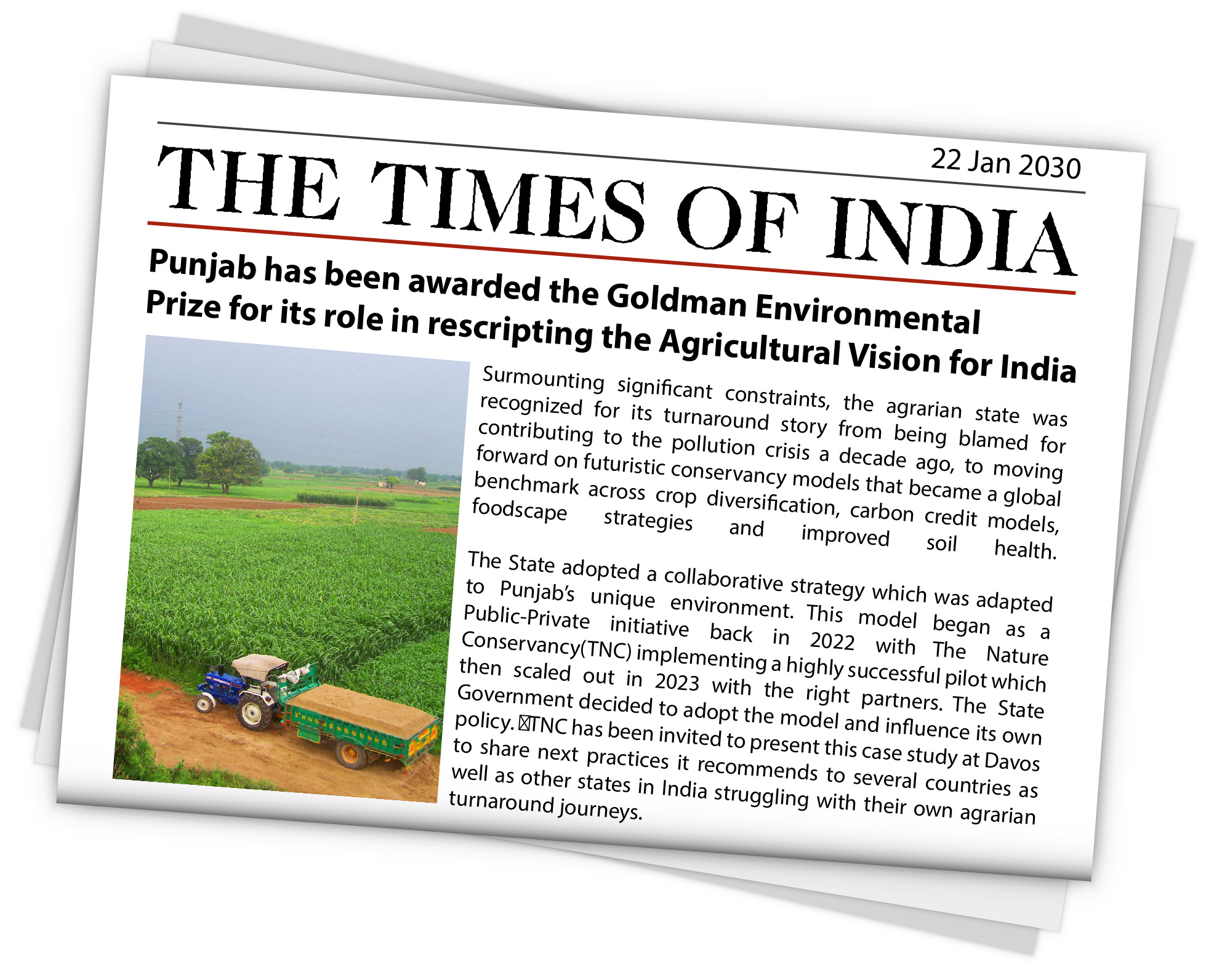
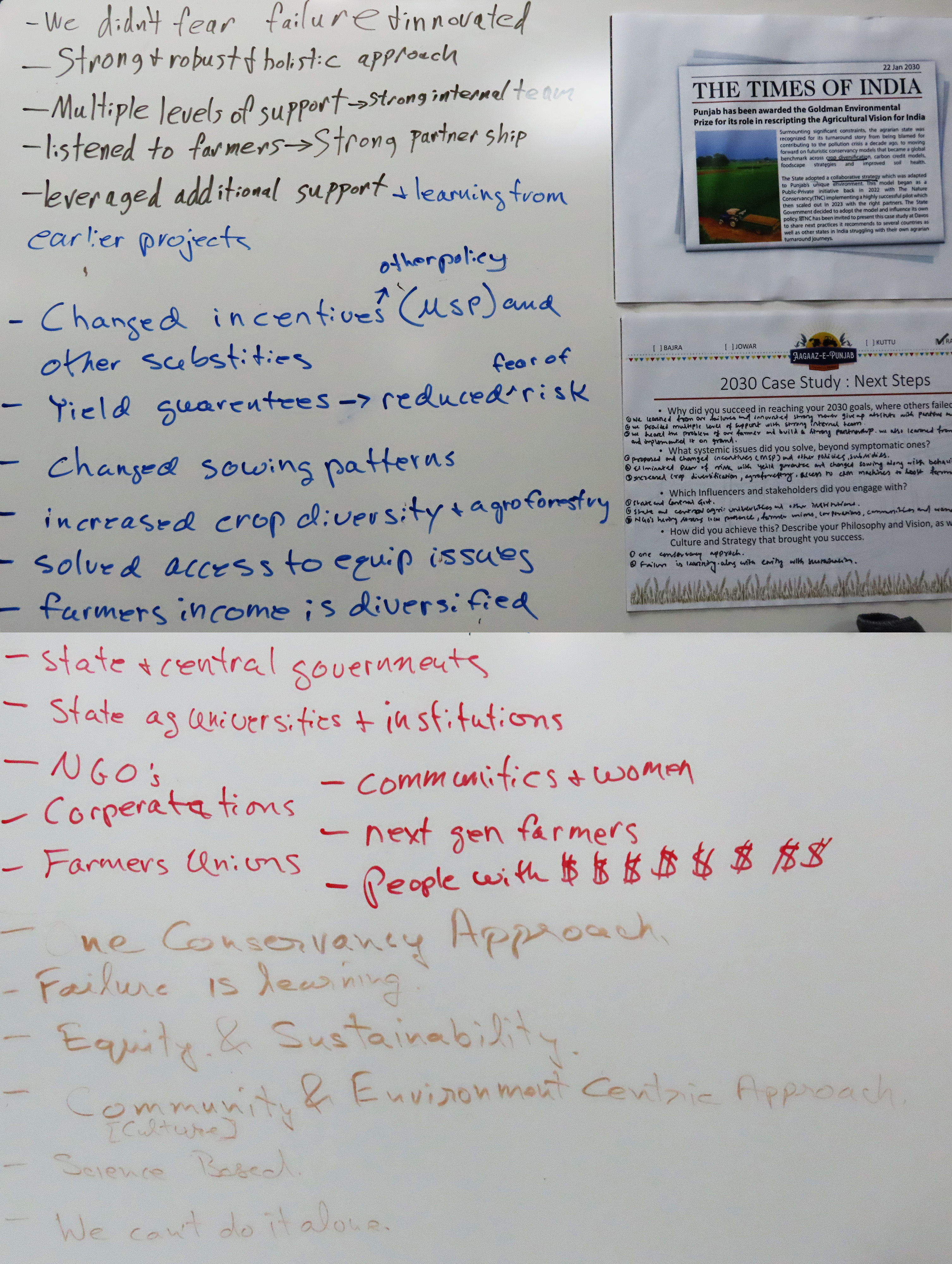
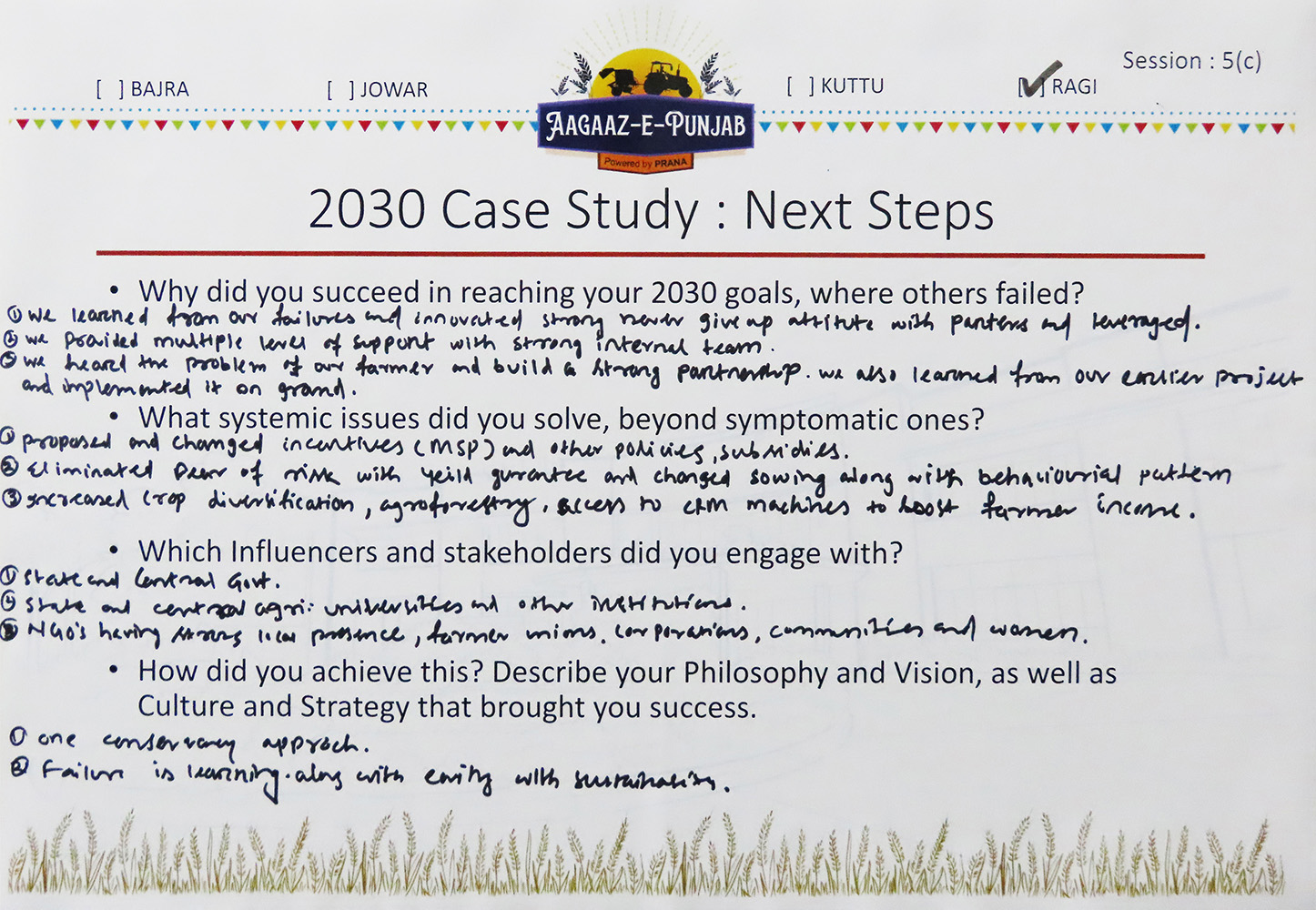
Participants were invited to timetravel into 2030, just in time to read a press note that Punjab had been awarded the Goldman Environmental Award for its work on turning around the agrarian state from one in crisis to a pioneer in reimagining and rescripting its agricultural vision.
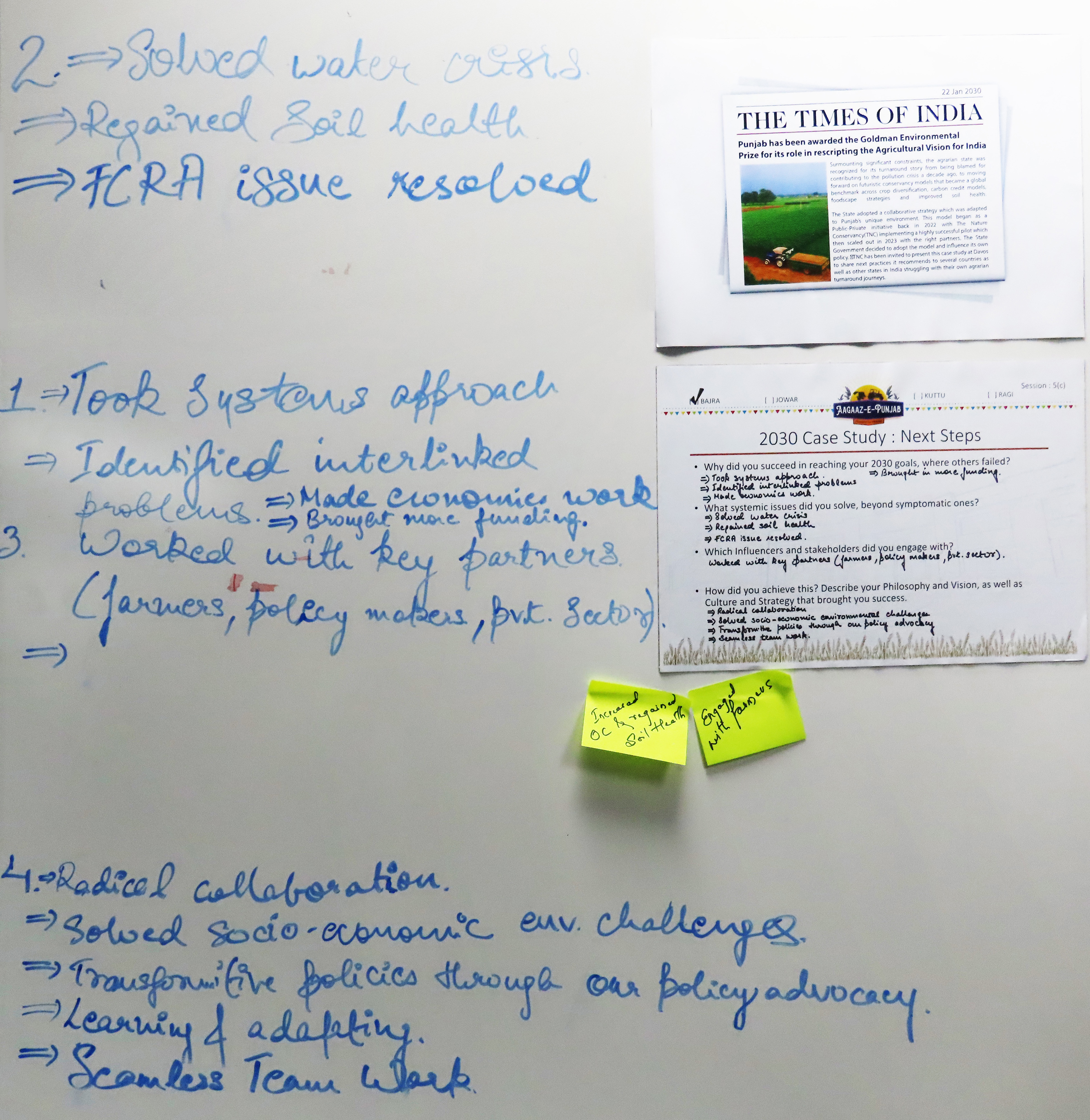
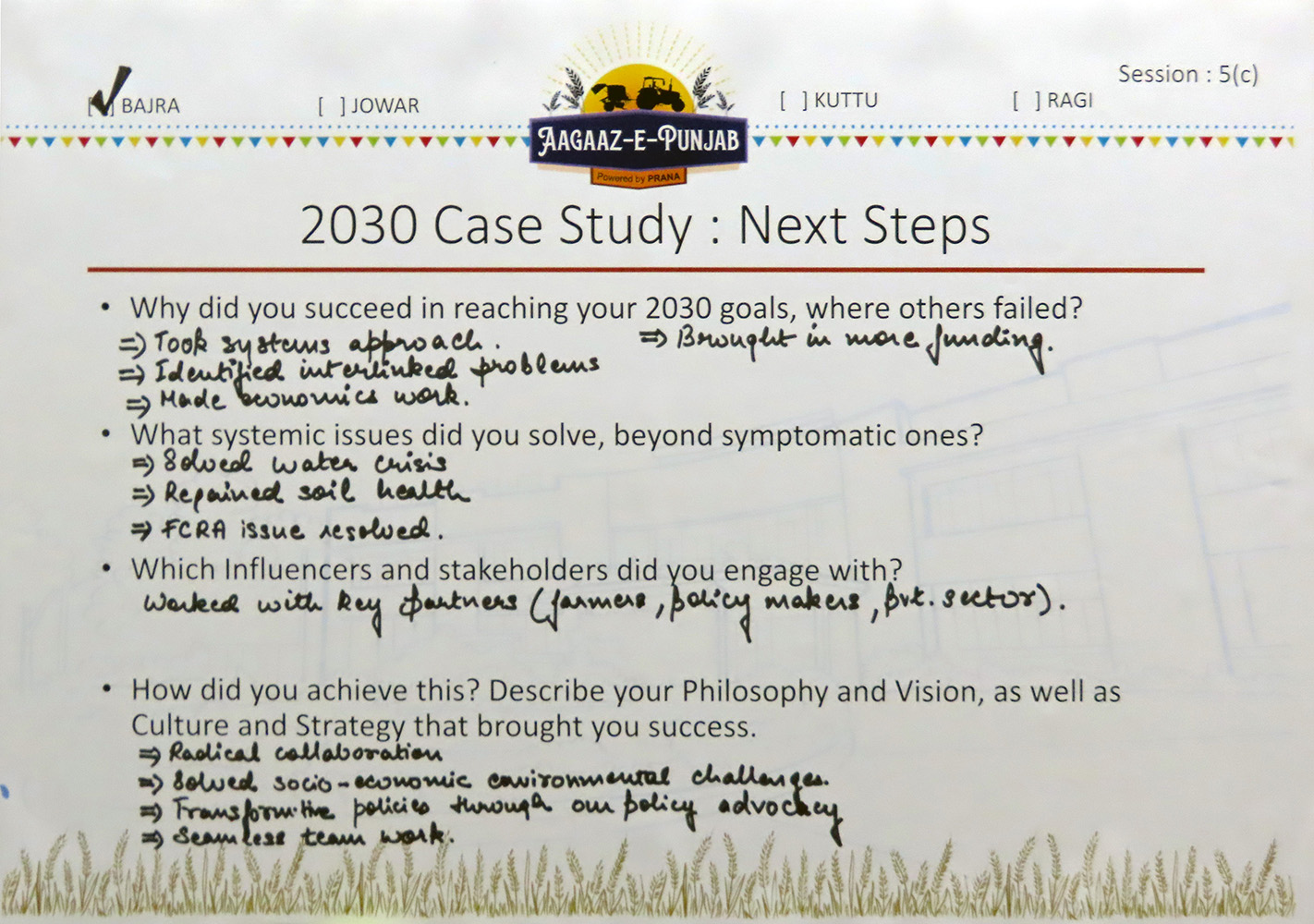
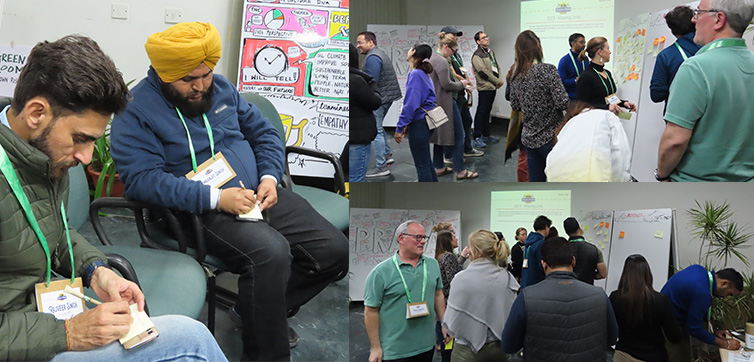
Participants were invited to share the reason behind their success based on decisions they took at Teri Gram in 2023.
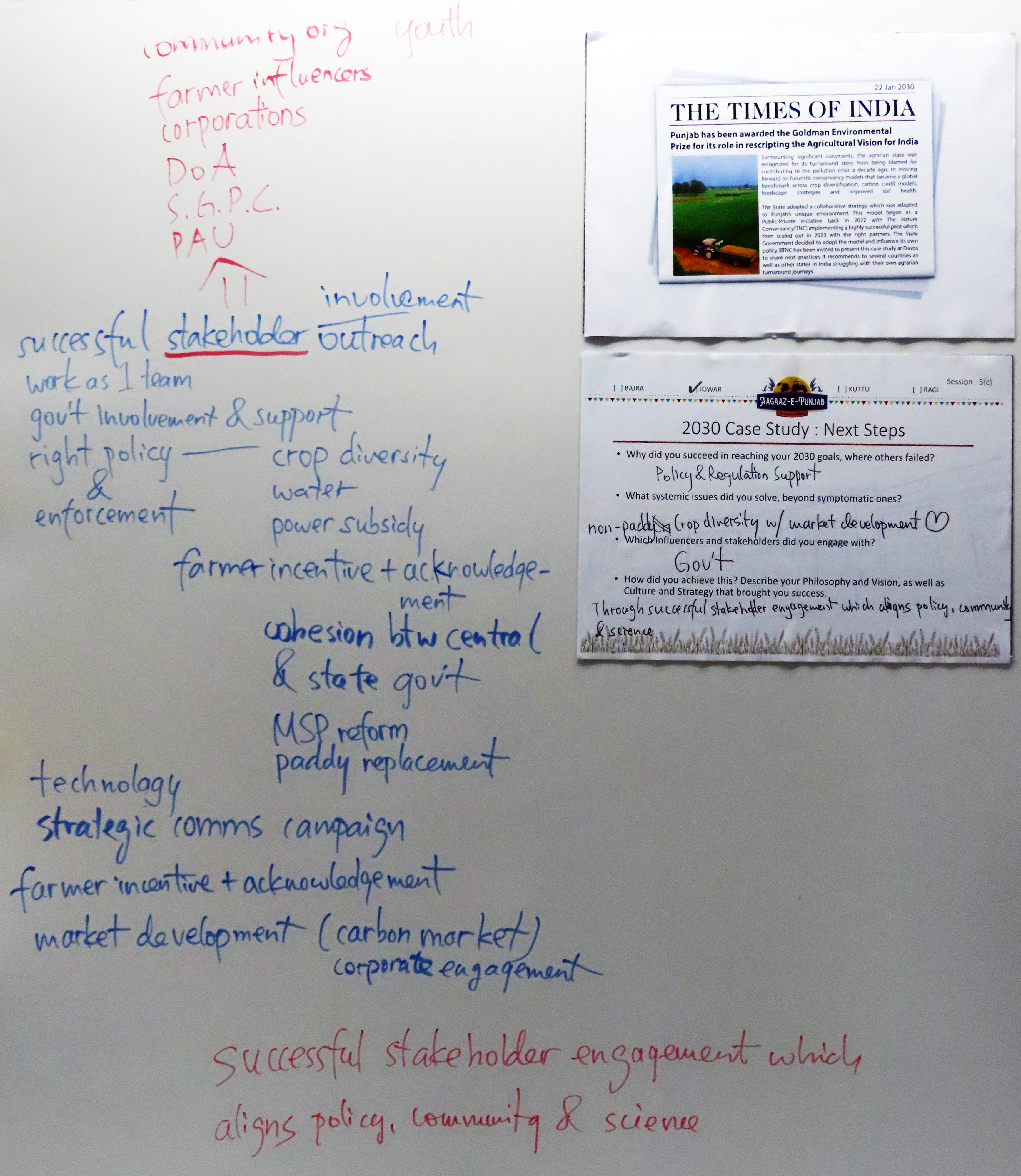
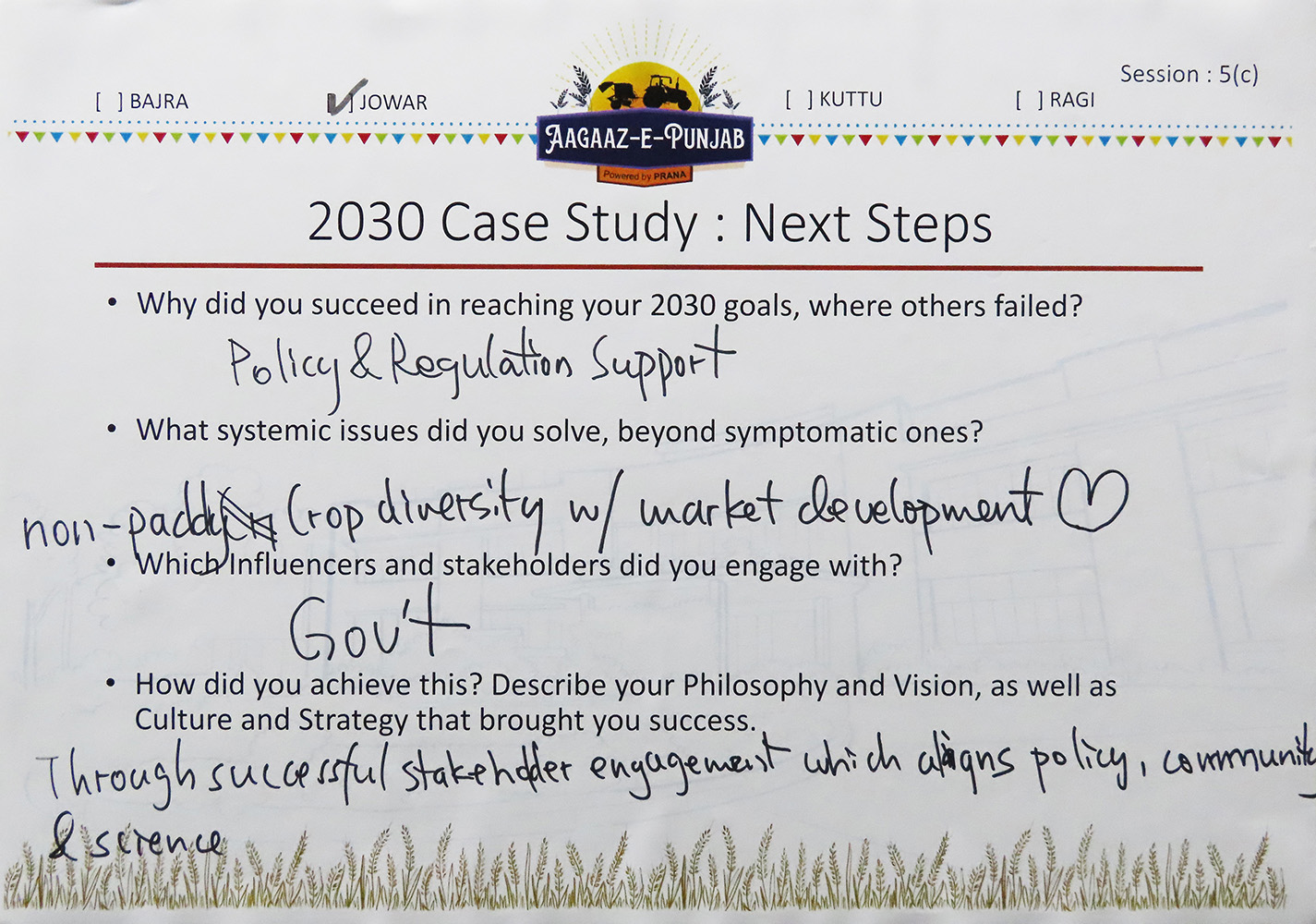
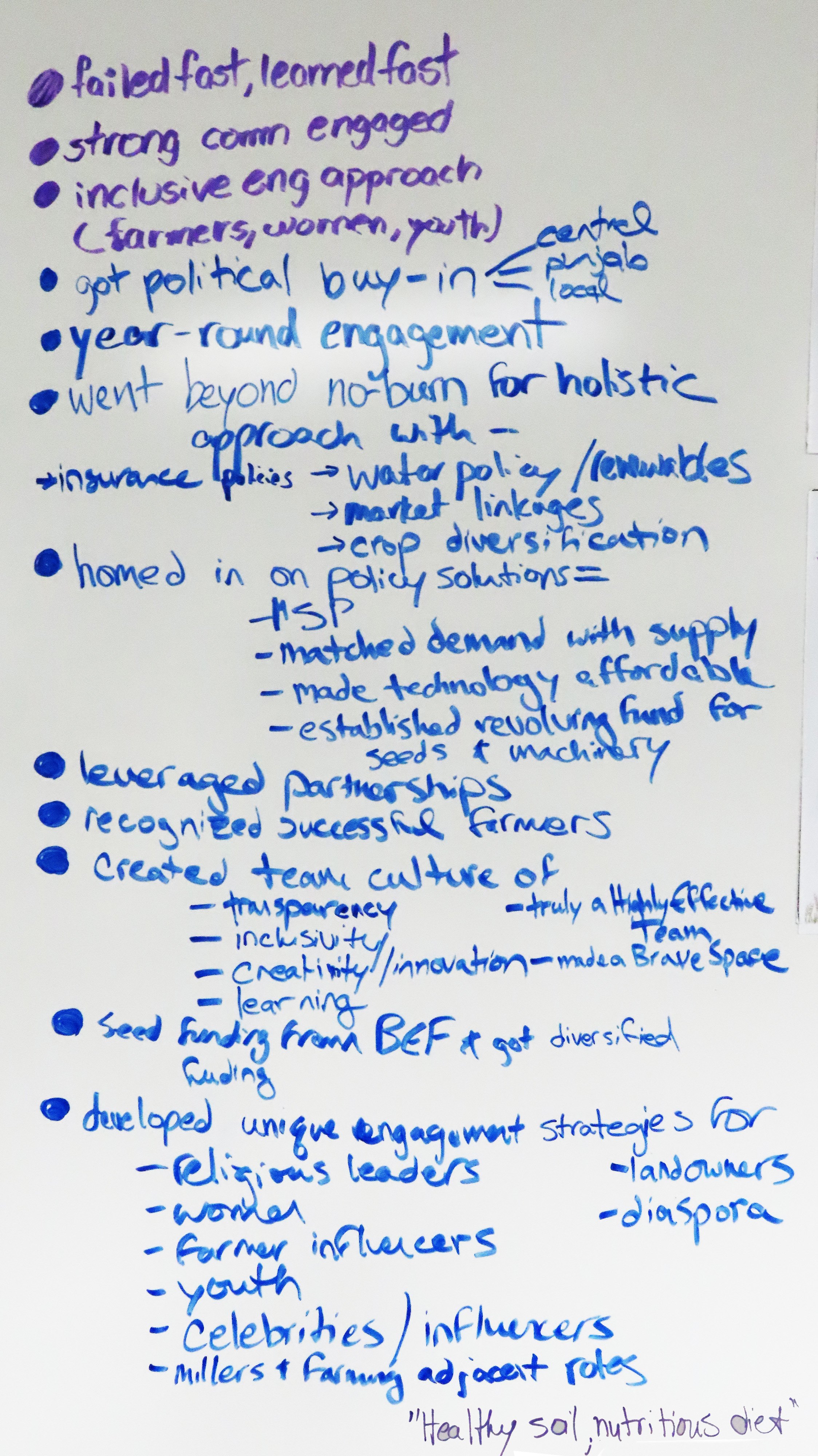
Participants now have an opportunity to identify those missing links that are critical to allow PRANA to meet immediate its purpose and objectives in 2023-2025…as well as systemic needs for 2030, and beyond!
So we gave everyone some magic seeds (hidden in their pencil ends) which they could choose to solve and bridge those missing links. Participants shared their ideas to solve these missing links, written on post-its segregated across the immediate future 2025, as well as beyond to 2030.
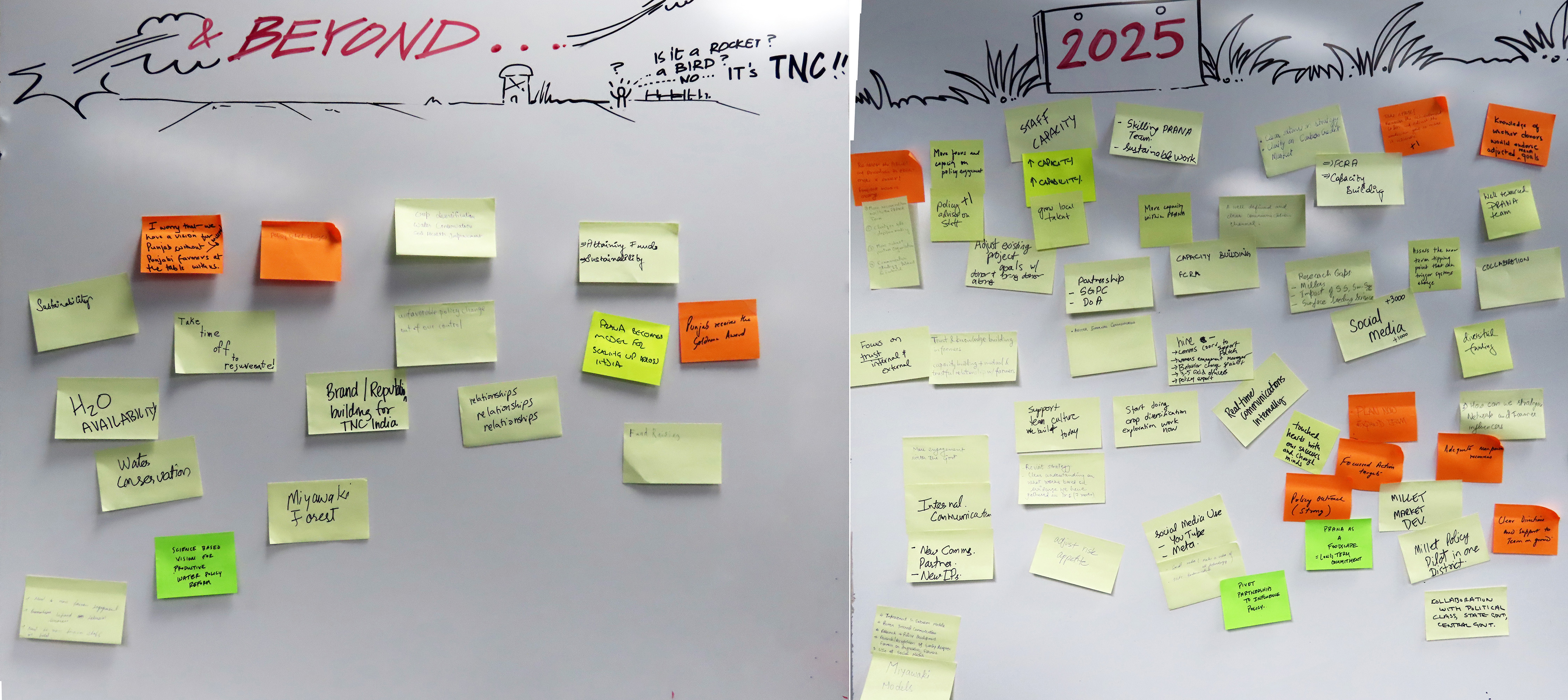
We invited everyone to share their post-its and leave the space, carrying back these thoughts to subliminally process overnight and through conversations between now and the next morning.